Dry eyes after Botox: blinking, the tear surface, and the right assessment
Dry eye is a reported adverse effect of BOTOX Cosmetic around the eye. New irritation, light sensitivity, or visual changes deserve a symptom-and-examination review; an unchanged eyelid height does not rule out an ocular-surface problem.
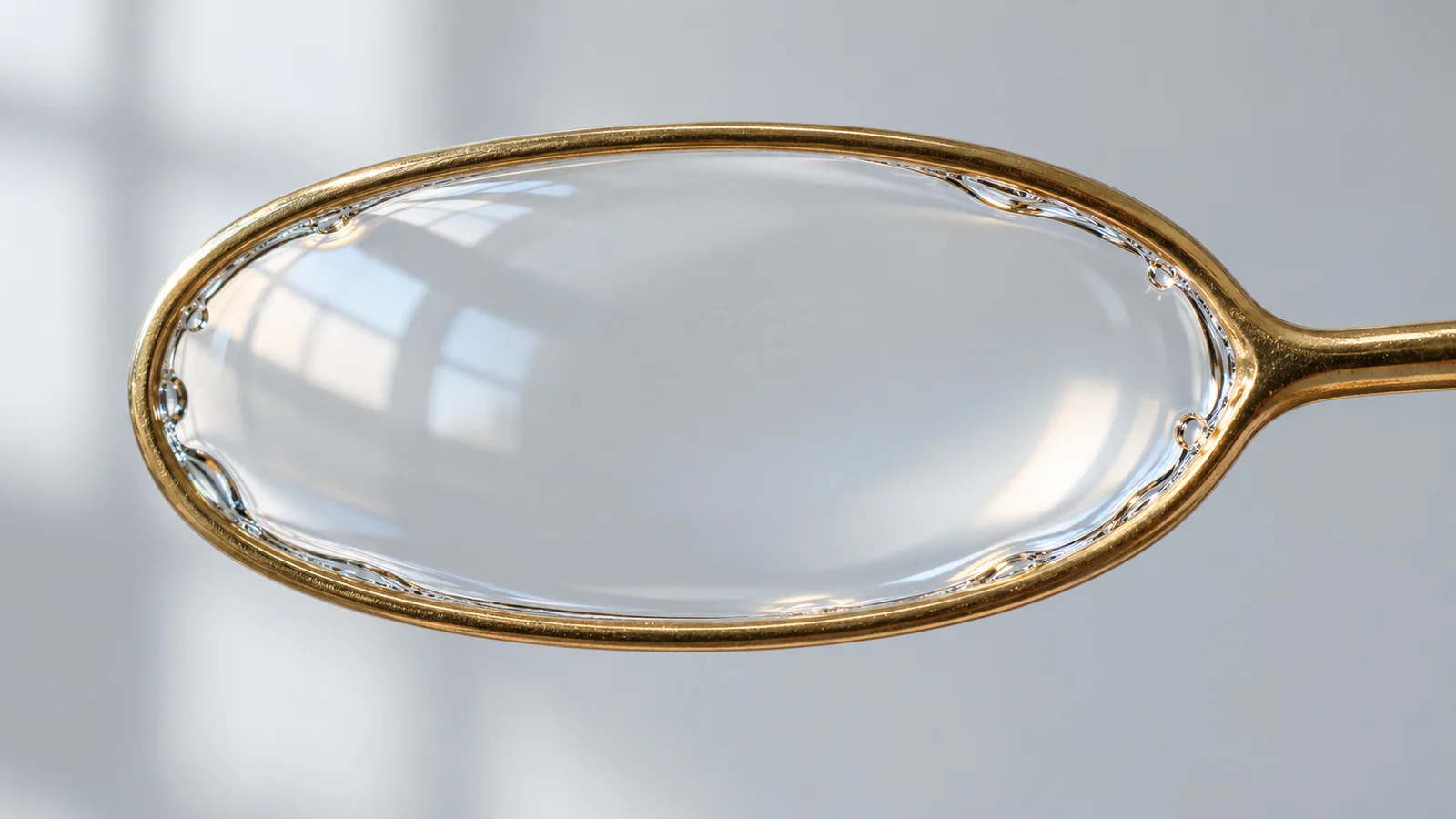
BOTOX Cosmetic can be associated with dry eye after injection in or near the muscle around the eye. New irritation, light sensitivity, or visual changes should be discussed promptly with the treating clinician; persistent symptoms may require ophthalmology assessment. This concerns the tear surface and blinking, not just whether the eyelid or eyebrow looks lower.1
The eye can look open and still need attention
Dry eye occurs when tears are insufficient or do not work properly to keep the surface comfortable. Symptoms can include a scratchy or burning feeling, redness, light sensitivity, and blurry vision. A clinician may assess tear quantity and quality along with the eye surface.2
That makes an appearance-only follow-up incomplete. A selfie can show symmetry, but it does not establish how the tear film behaves or whether the cornea is affected. Describe what the eye feels like and what daily activities have changed, even if the cosmetic result looks as expected.
The eyelid-drooping guide addresses eyelid height and brow position. Those observations may belong in the same examination, but a satisfactory answer to the drooping question does not automatically answer the dryness question.
Start the handoff with timing and function
A practical symptom record can stay short. Note when the eye symptoms began relative to the injection, whether one or both eyes are affected, and whether they are improving, worsening, or varying. Record any vision change, difficulty closing the eye, or discomfort during ordinary activities.
Bring the exact toxin product, treatment date, areas treated, prior eye procedures, contact-lens use, existing eye conditions, and eye medicines. Ask the injector to send the administration record if an eye-care clinician needs it. The purpose is to connect observations—not to prove causation by a date alone.
Instead of asking only “Is this normal?”, ask: “Does this need an eye examination, who will arrange it, and what changes mean I should be seen sooner?” Do not wait for the scheduled cosmetic photograph if vision or comfort is deteriorating.
Blinking and eyelid height are different functions
The BOTOX Cosmetic label reports dry eye associated with injection near the orbicularis oculi. Its separate warning, in the BOTOX blepharospasm context, describes how reduced blinking can expose the cornea and lead to injury. Those sections should not be converted into an incidence estimate for every cosmetic treatment.1
For the consultation, separate three observations:
- Position: where the eyelid margin and brow sit.
- Movement: how the lids blink and close.
- Surface: the tear film and the condition of the eye itself.
Ask the clinician which of these has been examined and which remains uncertain. The answer may require referral rather than another cosmetic injection. A treatment aimed at raising the lid is not automatically a treatment for the tear surface.
Why some research discusses Botox as a dry-eye treatment
It can sound contradictory to read that a toxin is associated with dry eye and that researchers have studied it to retain tears. The research question and injection target matter.
A small original study examined whether selected botulinum-toxin injections could reduce lacrimal drainage. That is a specific investigation of tear outflow, not evidence that routine wrinkle injections treat dry eye or that every periocular injection has the same effect.3
A study’s existence also does not create an FDA-approved dry-eye indication. When a clinic invokes this literature, ask whether it is explaining your symptoms, proposing an off-label treatment, or simply describing a possible mechanism. Those are three different uses of the evidence.
Do not let a therapeutic-sounding headline override a product warning or an examination finding. The useful question is whether the proposed approach matches the exact eye problem that was identified.
Keep the two care teams connected
The injector knows the treatment record; the eye-care clinician can evaluate ocular findings. Ask who will communicate the assessment back and who is responsible for follow-up. If recommendations differ, request a coordinated explanation before proceeding with another elective treatment.
Avoid borrowing someone else’s eye prescription or using a cosmetic “reversal” promise as the plan. Ask for instructions specific to the examination and a date for reassessment. If photographs are requested, preserve the unfiltered originals and explain the lighting or circumstances.
The National Eye Institute notes that dry-eye assessment includes history and examination, not just one symptom.2 A history of dryness before treatment is therefore useful information, but it should not be used to dismiss a new or substantially changed problem.
What to settle before the next cosmetic appointment
Once the current symptoms have been assessed, ask what the findings change about future treatment. The discussion should identify the baseline eye condition, any unresolved symptoms, whether specialist input is needed, and which clinician will decide whether another procedure is appropriate.
A clear next step is more valuable than a promised resolution date: an examined eye, an accessible treatment record, and a named person responsible for the next review.
Sources
- AbbVie. BOTOX Cosmetic prescribing information. Dry-eye reports near the orbicularis oculi, reduced-blink corneal exposure warning, and referral language for persistent symptoms. Accessed .
- National Eye Institute. Dry eye. Symptoms, tear-film function, and clinical examination rather than appearance-only assessment. Accessed .
- Sahlin et al., American Journal of Ophthalmology. Effect of eyelid botulinum toxin injection on lacrimal drainage. Small original lacrimal-drainage investigation; a specific therapeutic research context, not approval of cosmetic injections for dry eye. Accessed .